As energy bills continue to rise across the UK, more homeowners are turning to renewable energy solutions to reduce costs and their carbon footprint. Solar energy, combined with government-backed schemes like ECO4, presents an incredible opportunity for eligible households to access free or heavily subsidised solar panel installations. In this comprehensive guide, we’ll explore how solar energy works, the benefits it offers, and how you can take advantage of the ECO4 scheme.
What is Solar Energy and How Does It Work?
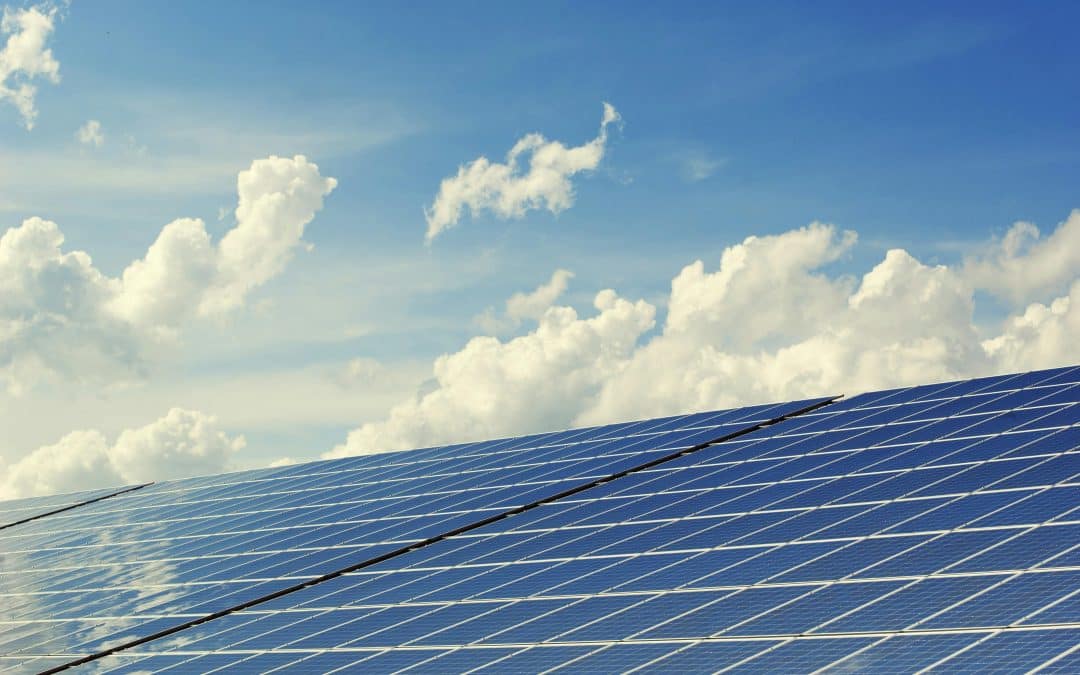
Solar photovoltaic (PV) systems convert sunlight directly into electricity that can power your home. Modern solar panels are highly efficient, even in the UK’s variable climate, and can significantly reduce your reliance on grid electricity.
Key components of a solar PV system include:
- Solar panels – Mounted on your roof to capture sunlight
- Inverters – Convert DC electricity from panels into usable AC electricity
- Battery storage (optional) – Store excess energy for use when the sun isn’t shining
- Smart meters – Monitor your energy generation and consumption
When your solar panels generate more electricity than you’re using, the excess can be stored in batteries or exported back to the grid, potentially earning you money through schemes like the Smart Export Guarantee (SEG).
The Financial Benefits of Solar Energy
Installing solar panels can deliver substantial savings on your energy bills. Here’s what you can expect:
Reduced electricity bills – Solar panels can cut your electricity costs by 40-70%, depending on your system size and energy usage patterns.
Protection from rising energy prices – Once installed, solar panels provide free electricity for 25+ years, insulating you from future price increases.
Increased property value – Homes with solar installations are increasingly attractive to buyers and can command higher sale prices.
Export payments – Earn money by selling excess electricity back to the grid through SEG tariffs.
Understanding the ECO4 Scheme
The Energy Company Obligation (ECO4) scheme is a government initiative that runs until 2026, designed to help low-income and vulnerable households improve their home’s energy efficiency. While ECO4 primarily focuses on insulation and heating upgrades, it can work in conjunction with other renewable energy grants and schemes.
ECO4 Eligibility Criteria
You may qualify for ECO4 funding if you:
- Own or privately rent your home
- Receive certain means-tested benefits (such as Universal Credit, Pension Credit, or Income Support)
- Have a household income below £31,000
- Live in a property with an Energy Performance Certificate (EPC) rating of D, E, F, or G
- Are referred through LA Flex (Local Authority Flexible Eligibility) criteria
- Have an NHS referral due to a health condition made worse by living in a cold home
What Does ECO4 Cover?
The ECO4 scheme primarily funds:
- Cavity wall insulation
- Solid wall insulation (internal or external)
- Loft insulation
- Room in roof insulation
- Underfloor insulation
- Flat roof insulation
- Boiler upgrades and replacements
- First-time central heating installations
- Air source heat pumps
While solar panels aren’t always directly covered under ECO4, eligible households can often access solar installations through complementary schemes or as part of a comprehensive energy efficiency package.
Combining Solar Energy with ECO4 Measures
The most effective approach to reducing your energy bills combines multiple energy efficiency measures. Here’s how solar energy works alongside ECO4 improvements:
Insulation first – Proper insulation reduces heat loss, meaning you need less energy to heat your home. This maximises the impact of your solar-generated electricity.
Efficient heating systems – Upgrading to a modern combi boiler or air source heat pump through ECO4 creates a more efficient home that makes better use of solar power.
Solar PV installation – Once your home is properly insulated and has an efficient heating system, solar panels provide clean, free electricity to power your home.
Battery storage – Adding battery storage allows you to use solar energy even when the sun isn’t shining, maximising your savings.
The Latest Solar Technology in 2025
Today’s solar installations benefit from cutting-edge technology that delivers superior performance and efficiency. We use only the newest solar technology available, ensuring you get the best possible return on your investment.
Advanced solar panels – Modern high-efficiency panels from leading manufacturers like AIKO, Longi, and other premium brands deliver exceptional performance, even in low-light conditions. These latest-generation panels offer higher wattage outputs (420W-530W) and improved durability.
Smart inverter technology – We install state-of-the-art inverters from brands like Solis and FOX ESS that maximise energy conversion and include smart monitoring capabilities, allowing you to track your system’s performance in real-time via smartphone apps.
Hybrid systems with battery storage – The newest hybrid inverter systems seamlessly integrate solar generation with battery storage, giving you complete energy independence and the ability to use solar power 24/7.
Optimised mounting systems – We use advanced mounting solutions from manufacturers like Clenergy and Vandervalk, designed for maximum panel stability, optimal angle positioning, and long-term reliability across all roof types.
By using the newest technology, we ensure your solar system delivers maximum efficiency, longevity, and savings for decades to come.
Real-World Solar Success Stories
Leading renewable energy installers across the UK have delivered impressive results for both domestic and commercial clients:
Commercial installations have included:
- A 65kWp system for a Manchester school generating 56,962kWh annually and saving 15 tons of CO2
- A 53kWp installation for a Peterborough factory producing 48,018kWh per year with 12 tons of CO2 savings
- Major projects for Costa Coffee eco-pods, leisure centres, and NHS facilities
Residential installations consistently deliver:
- 40-70% reductions in electricity bills
- Warmer, more comfortable homes when combined with insulation
- Increased property values
- Reduced carbon footprints
Choosing the Right Solar Installer
When selecting a company to install your solar panels, look for:
Industry accreditations – MCS (Microgeneration Certification Scheme), RECC, TrustMark, and NAPIT certification ensure quality and compliance.
Experience and expertise – Choose installers with proven track records and extensive portfolios of completed projects.
Comprehensive service – The best installers handle everything from initial surveys and EPC assessments to installation, commissioning, and aftercare.
Customer reviews – Real customer testimonials provide insight into service quality and customer satisfaction.
Transparent pricing – Reputable installers provide clear, detailed quotes with no hidden costs.
Latest technology – Ensure your installer uses the newest, most efficient solar equipment available to maximise your system’s performance and lifespan.
The Solar Installation Process
Understanding what to expect makes the process smoother:
- Initial consultation – Discuss your energy needs, property suitability, and eligibility for funding schemes.
- Site survey – A qualified surveyor assesses your roof, electrical system, and energy usage patterns.
- System design – Your installer designs a bespoke system optimised for your property and energy needs, using the latest solar technology.
- Funding application – If eligible, your installer handles ECO4 or other grant applications on your behalf.
- Installation – Professional teams typically complete installations within 1-3 days, depending on system size.
- Commissioning – Your system is tested, connected to the grid, and registered with your energy supplier.
- Handover and training – You receive guidance on monitoring and maintaining your system.
Maintaining Your Solar System
Solar panels are remarkably low-maintenance, but a few simple steps ensure optimal performance:
- Regular cleaning – Remove debris, leaves, and dirt that can reduce efficiency
- Annual inspections – Professional checks ensure all components function correctly
- Monitoring – Use your system’s app or display to track performance and identify issues early
- Inverter checks – Inverters typically last 10-15 years and may need replacement during your system’s lifetime
Environmental Impact of Solar Energy
Beyond financial savings, solar energy delivers significant environmental benefits:
Carbon reduction – A typical domestic solar system saves 1-2 tons of CO2 annually, equivalent to planting 50-100 trees each year.
Reduced fossil fuel dependence – Every kilowatt-hour generated by solar is one less drawn from fossil fuel power stations.
Sustainable energy future – Solar installations contribute to the UK’s net-zero targets and create a cleaner environment for future generations.
Taking the Next Step
If you’re interested in solar energy and want to explore your eligibility for ECO4 or other funding schemes, here’s what to do:
- Check your eligibility – Complete an online eligibility survey to determine which schemes you qualify for.
- Request a free assessment – Arrange a no-obligation home energy assessment with an accredited installer.
- Get your EPC – If you don’t have a current Energy Performance Certificate, your installer can arrange this.
- Compare quotes – Speak to multiple MCS-certified installers to ensure you’re getting the best service and value.
- Plan your installation – Work with your chosen installer to schedule your installation at a convenient time.
Conclusion
Solar energy represents one of the most effective ways to reduce your energy bills, increase your home’s value, and contribute to a sustainable future. When combined with ECO4-funded insulation and heating upgrades, the results can be transformative.
With government schemes making renewable energy more accessible than ever, 2025 is an excellent time to explore solar options for your home. Whether you qualify for full funding through ECO4 and complementary schemes, or you’re considering a private installation, the long-term benefits make solar energy a smart investment.
Don’t let rising energy costs continue to drain your finances. Take control of your energy future today by exploring your eligibility for solar panels and ECO4 funding. The combination of reduced bills, increased comfort, and environmental benefits makes it a decision you won’t regret.
Ready to get started? Contact an MCS-certified solar installer today to arrange your free home assessment and discover how much you could save with solar energy.